



About
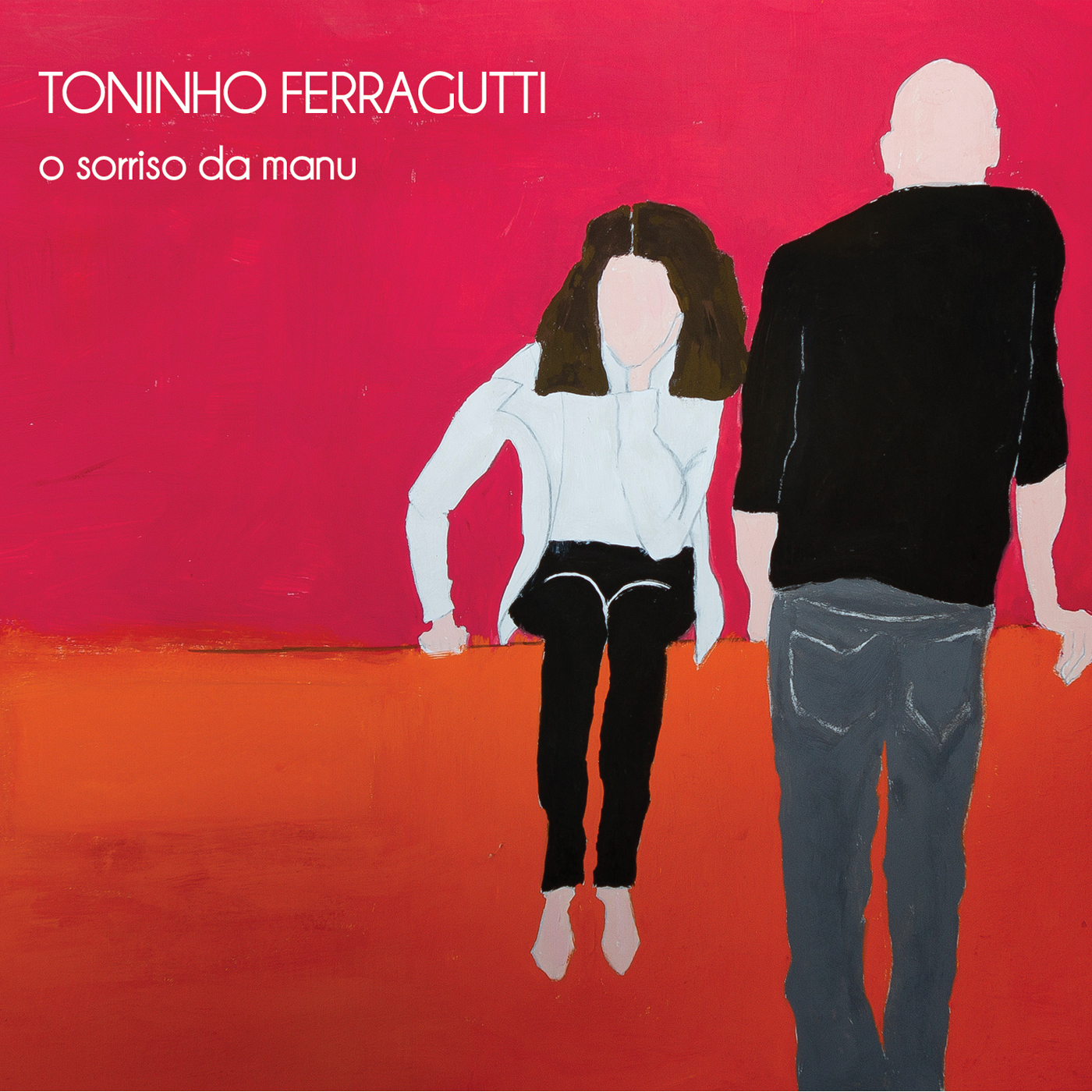
Ferragutti is a musician, composer and arranger who has an extensive participation in concerts and cds of important artists in Brazil and abroad. His album Sanfonemas was nominated for the Latin Grammy Award in 2000 as Best Brazilian Roots album. Another of his solo albums, Nem Sol Nem ... He regularly participates of important jazz festivals in USA and Europe, either performing solo or with Maria Schneider (USA), in duo with Mônica Salmaso (Brazil) and with Celine Rudolph (Germany). -‐-‐-‐-‐-‐-‐-‐-‐-‐-‐-‐-‐-‐-‐-‐-‐-‐-‐-‐-‐-‐-‐-‐-‐-‐-‐-‐-‐-‐-‐-‐-‐-‐-‐-‐-‐-‐-‐-‐-‐-‐-‐-‐-‐-‐-‐-‐-‐-‐-‐-‐-‐-‐-‐-‐-‐-‐-‐-‐-‐-‐-‐-‐-‐-‐-‐-‐-‐-‐-‐-‐-‐-‐-‐-‐-‐-‐-‐-‐-‐-‐-‐-‐-‐-‐-‐-‐-‐-‐-‐-‐-‐-‐-‐-‐-‐-‐-‐-‐-‐-‐-‐-‐ Discography OFERENDA (Eldorado , 1996) -‐-‐ CD recorded in duo with the saxophonist and conductor Roberto Sion (in Japan). SANFONEMAS (Pau Brasil, 2000) -‐-‐ First solo album, nominated for the Latin Grammy Awards in 2000, in the Best Brazilian Roots Album category. MPBABY (MCD , 2004) -‐-‐ Solo CD presenting children's songs for parents and children played in the accordion. NEM SOL NEM LUA (Biscoito Fino, 2006) -‐-‐ CD with with 11 own compositions , recorded and arranged for accordion plus a string quintet. Nominated for Tim Awards as Best Instrumental Album. TRIO 202 (Azul Music, 2008) -‐-‐ CD in a trio lineup with Nelson Ayres (piano) and Ulisses Rocha (guitar), recorded live in New York, at Jazz Standart. O SORRISO DA MANU (Borandá, 2012) -‐-‐ New authorial CD with 9 compositions, recorded entirely live in accordion, piano, bass, clarinet and percussion lineup, plus a string quartet (2 violins , viola, cello).
Latin | World Music/Contemporary | World Music/Traditional
Contact
Small Ideas Become Big Music: Toninho Ferragutti Grows O Sorriso Da Manu
In the silence the accordion plays, then the quartet joins in and the dancers begin to move with gentle grace. With beautiful insistence, the rhythms push and sway and the journey to O Sorriso Da Manu (released on December 10th, on Borandá Records) begins. From the first workshops where acclaimed Brazilian accordionist Toninho Ferragutti created his new works with a troupe of dancers to his new finished CD he’s seen the music grow and change and take on the colours of 21st century chamber jazz.
“The music had the potential to grow by itself, away from the dancers,” Ferragutti explains. “It has more space for improvisation and dynamics. The form itself is just freer now.” Adding piano and a string quartet to the core band of accordion, clarinet, bass and percussion has expanded the textures of the music, while some of Brazil’s best arrangers have brought a sophisticated, almost classical sensibility to the sound. From its quiet beginnings, O Sorriso Da Manu has become something that stands squarely at the crossroads of pop, jazz and classical music, speaking many different languages with equal eloquence.
Five of the tracks on the album come from the dance piece, including the title cut, named in honor of Ferragutti’s younger daughter. The remaining four came later - “Paçoquinha” (for Manu’s older sister, Olivia), “Choro Da Madrugada" (already recorded on Ferragutti's first album on the Borandá label), “Trilha Feita a Lápis” and “Trilha Feita à Mão.” Together, they create a tapestry that shimmers with quiet brilliance, accordion and strings readily complementing each other as the piano of Paulo Braga filling the spaces as Alexandre Ribeiro’s clarinet soars and darts around the melodies. Brazil might be at its core, but this is a very international album.
“I worked with a Flamenco dance group,” Ferraggutti explains, “so there are Arabic ingredients in the music. The influence of Flamenco is there in the rhythms.” Created and recorded in São Paulo, the pieces reflect the metropolitan, international feel of the city, rich and subtle, where so many things come together to create a whole that’s Brazilian but looks outward at the world. It needed special performers to make it work, people who weren’t just from classical or jazz, but who could play with the elasticity Ferragutti’s music demands, to flow with it and bring it to different places.
It also needed a special recording that could capture the dynamics and vibrancy of the musicians, which was why he chose to have everyone together on stage at São Paulo’s famed FECAP Theater for the sessions, where the acoustics were ideal for the group.
“It was easier to record live,” Ferragutti explains. “The quartet was already used to performing many of the pieces live with the dance troupe. And live, the sound is totally different to a studio. It’s much warmer and there’s real interplay between everyone.”
Ferragutti’s no stranger to either performing or recording. In a professional career spanning three decades he’s record seven other solo CDs and played with many of the most famous names in Brazilian music, from Gilberto Gil to Maria Bethânia, as well as major international artists like Maria Schneider.
Growing up in Socorro, Ferragutti started playing accordion while still young, encouraged by his saxophonist and composer father. There were lessons, of course, as well as academic instruction at the Gomes Cardin Conservatory in Campinas, but also a lengthy apprenticeship playing in gaúcho and choro bands for dances. Even then Ferragutti almost didn’t become a full-time musician. He studied veterinary medicine for three years before he took the plunge and moved with his accordion to São Paulo. Since then his star has continually risen, writing and recording scores for films and television, working with almost every star of MPB (Brazilian popular music) and recording seven solo discs.
“The accordion’s behind everything in Brazilian music,” he says. “It’s there in the rhythm and the design of the music.” His long experience and virtuosity have made him into a master at integrating his instrument into so many areas of music.
All those years find fruit on O Sorriso Da Manu. It’s a disc where melody, rhythm and space are equally important, full of textures and colors, and where the notes not played are just as vital as the ones that are. Nothing is wasted, and the moments of improvisation that glitter and rise.
"Ferragutti is doing something very new with his music", explains Fernando Grecco, founder of Borandá, a young Brazilian label with an ear for diverse, historically important, artistically vital music. "He is taking the accordion out of its traditional 'place' in Brazil, the popular forró parties and choro groups (called rodas de choro), and bringing the instrument to more sophisticated places and stages, creating something very close to chamber music", adds this avid advocate of Brazilian contemporary music.
By turns meditative and playful, the interplay between accordion and clarinet at O Sorriso da Manu sparkles, while percussion and bass offer shifting rhythms and the string quartet bring gravitas and grounding to everything. It makes for a fine and perfect balance. Ferragutti’s music has indeed grown. While still full of movement and grace, those early workshopped melodies and rhythms have turned into something much, much more.
As Ferragutti says, “Over 30 years I’ve come to learn that some small ideas can contain big things. These seeds of tunes have grown and blossomed into this album.”